
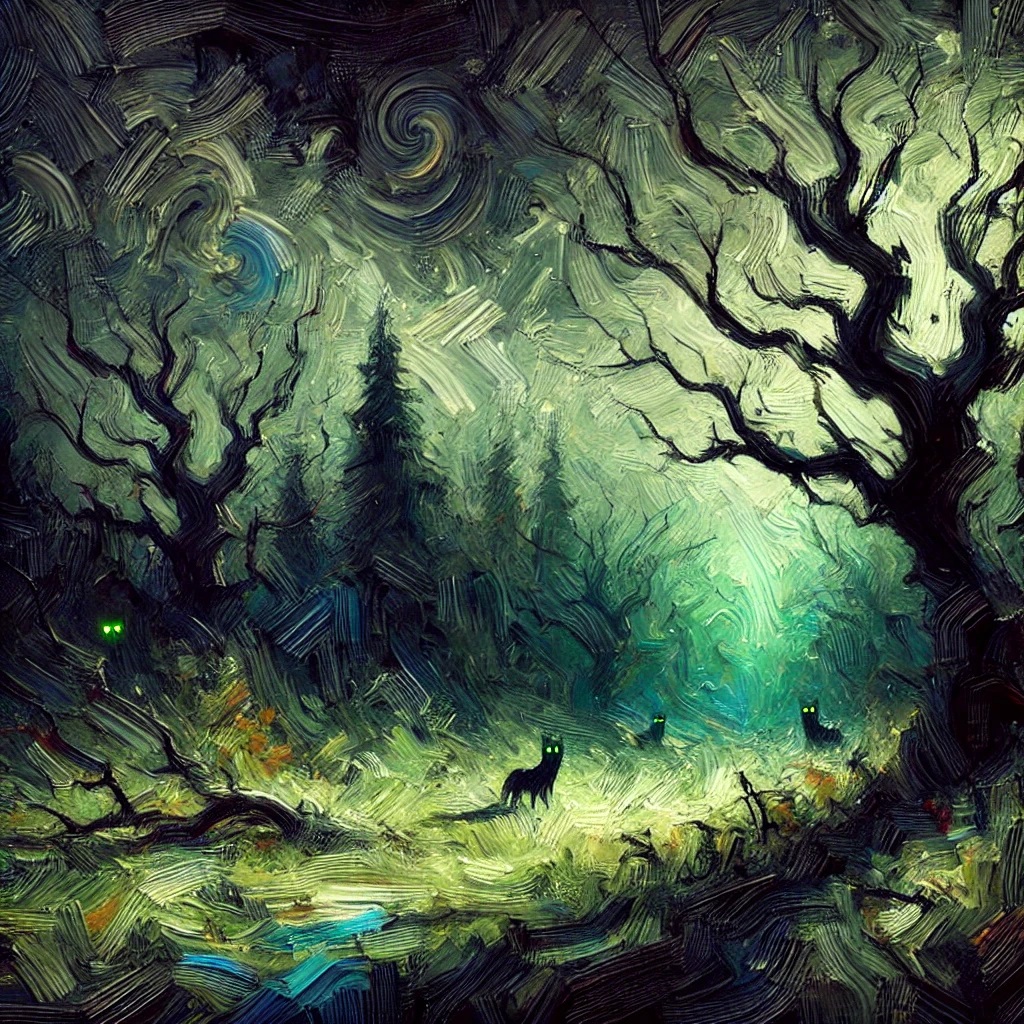
Halloween 2024 is fast approaching, and many of us celebrate by watching our favorite horror movies. Classics like Friday the 13th, Nightmare on Elm Street, and Halloween have been airing on all the big channels while streaming services have bulked up their horror and thriller sections for October.
I’d like to put a spotlight on a less mainstream (but still vastly influential) sect of spooky films: ecological horror.

Origins and Common Themes
Films with eco-horror themes have been around since the 1940s, and the genre has only grown with time. As our planet’s environmental crisis becomes more urgent, eco-horror has become more popular, available, and extreme. Let’s take a look at what eco-horror films have in common:
- Humans are at fault
- The goal of eco-horror is to highlight the damaged relationship between humans and the environment. The bad things that happen in these films are triggered by our own hubris.
- Future-oriented
- Most eco-horror films have the goal of warning the masses of the bad things to come when our political landscapes remain unchanged. Therefore, most of them are set in either the near or distant future.
- Underlying rally for sustainability
- Although these films range from eerie and gloomy to downright terrifying, they pull on our primal emotions for a reason: to tell us we are not doomed, yet. Think that they’re less of a pessimistic view of the present and more of an exaggerated view of the potential future.

Films to Check Out
- The Birds (1963)
- This film by acclaimed director Alfred Hitchcock has quite a simple premise: What would it look like if birds united to terrorize humanity? It may be absurd to think about, but the message behind it is simple: We take living things for granted every day and are complicit in their methodical destruction.
- Creature from the Black Lagoon (trilogy released 1954-56)
- As one of the first famous eco-horror franchises, this trilogy is a must-watch for the genre. The creature itself lives in a remote lagoon in the Amazon, isolated from the human race. It only attacks when provoked, at times when the humans throw things, shoot harpoons, and are generally violent towards it. These films poke fun at our inhumanity towards nature and our inability mind our own business, which will result in dire consequences for the earth.
- The Bay (2012)
- This is a “found footage” style film about mind-controlling parasites in the Chesapeake Bay, which comments on government involvement in ecological disaster. Watch this film for a more contemporary take on eco-horror.
- Other films with eco-horror themes: Planet of the Apes (1968), The Happening (2008), The Godzilla franchise.

Impact
Sure, these films are fun to watch, but they also have legitimate influence on society. In order to combat a problem as large and multi-faceted as the destruction of our planet, the people first have to know what matters and why. And yeah, you’d think it’s a no-brainer: The earth is dying, who wouldn’t be on board to fix it? Well, a lot of people.
One way to get folks to start thinking about contemporary environmental issues is to hold their attention with something exaggerated, specific, and entertaining all at once. These movies, as trivial as they may seem, get the ball rolling.
References
Crawford, M. (2024, February 22). What Is Eco Horror in Film? Nature’s Revenge on the Silver Screen. Filmmaking Lifestyle. https://filmlifestyle.com/what-is-eco-horror/
Ecohorror: Learning From Mutant Monsters and Killer Plants. (2023). Georgia Institute of Technology. https://www.gatech.edu/news/2023/10/26/ecohorror-learning-mutant-monsters-and-killer-plants




Leave a Reply