
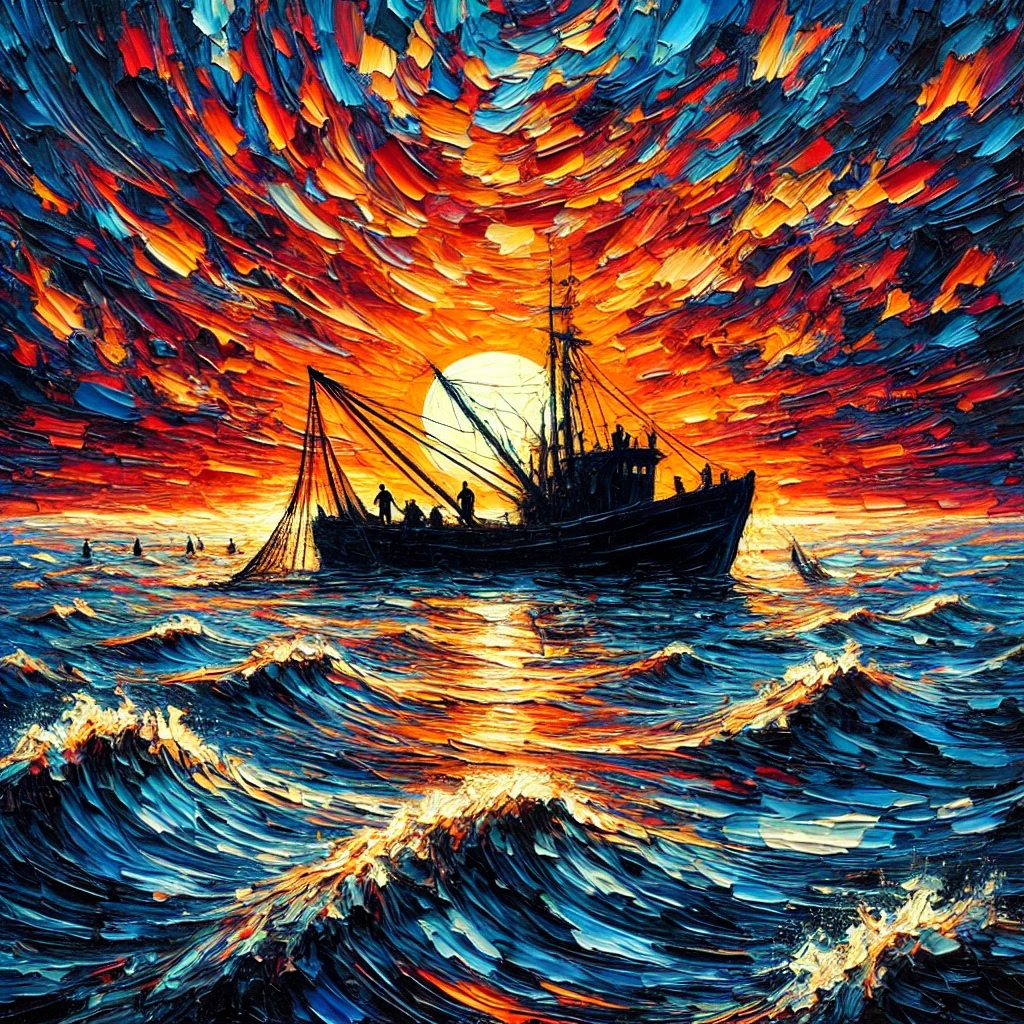
As you certainly know, there is a plethora of different dangers that humans present to our ecosystem. The goal of this Ecological Dangers series is to highlight some of the threats to overall sustainability around the globe and shine light on ways to fight back.

What Is Overfishing?
Overfishing is a term that we use when a large number of a particular stock of fish have been caught. To be classify an area as a victim of overfishing, this number has to be significant enough to cause difficulty in the repopulation of the fish; a number that leaves them with too few adults to breed and sustain.
Overfishing has increased drastically in the past five decades. Since 1970, the number of overfished stocks has tripled. Out of these many stocks, popular activist group Greenpeace has compiled a “red” list of fish species that they believe should no longer be commercially available (due to overfishing and other ecological difficulties.) Some eye-catching fish species on this list include albacore tuna, bluefin tuna, Atlantic halibut, grouper, pollock, orange roughy, swordfish, sharks, skates, and rays.

What Makes This an Issue?
You may be wondering: What’s the big deal? All of these overfished species are very useful for feeding the world, and the fisherman themselves need jobs. This is all true! Fishing is great on the economy, for now. Let’s take a look at the specific problems that come with overdoing it.
- Species Extinction
- Overfishing causes entire species to die out completely. If overfishing continues, there are groups of animals in the ocean that will disappear and never return.
- Change in Generational Fish Behavior
- Overfishing is a large stressor for populations of fish who are fighting to survive. It changes how they work at their core: whole populations begin to mature faster, mate earlier, become increasingly smaller in size, and defect in many other ways. Overfishing not only extinguishes generations of animals, it also causes the remaining ones to become unhealthy and suffer.
- Long-Term Economic Downfall
- Fish are selling excellently now, but they can’t sell if they’re extinct. This will cause an economic collapse for the businesses and people involved. By fishing in moderation, we can keep the money coming for longer.
- Outward Environmental Impact
- Large numbers of fish being suddenly evicted from their ecosystem has a ripple effect on the other species that rely on them. Ecosystems are a constant symbiosis, and removing one piece of the puzzle makes it simply incomplete. There are animals that feed on certain types of fish as well as habitats that are downgraded by the loss.

What You Can Do
There are many ways for an average person to take a stand against the overfishing crisis. We’ve compiled a small list of ways to support the fight for healthier aquatic ecosystems across the globe.
- Support Marine Protected Areas
- Currently, less than one percent of the world’s oceans are fully protected from fishing. By showing support for those places, we can drive that number up.
- Buy Sustainable Seafood
- This includes farm-raised seafood as well as seafood fished under catch shares, which use data to manage fish stock population and spread the wealth equally to different fishing businesses.
- Educate and Spread the Word
- Many people underestimate the fishing crisis we currently face. By making more people aware, change can be made- we have to know what we’re fighting for in order to fight.
Resources for Further Research
Baldwin, E. (2024). What is Overfishing? Causes, Effects, Facts, and Solutions. Ocean Info. https://oceaninfo.com/ocean/conservation/overfishing/
Greenpeace. (2019). Overfishing & Destructive Fishing. Greenpeace USA. https://www.greenpeace.org/usa/oceans/issues/overfishing-destructive-fishing/
World Wildlife Fund. (2024). Overfishing. World Wildlife Fund; WWF. https://www.worldwildlife.org/threats/overfishing






Leave a Reply