
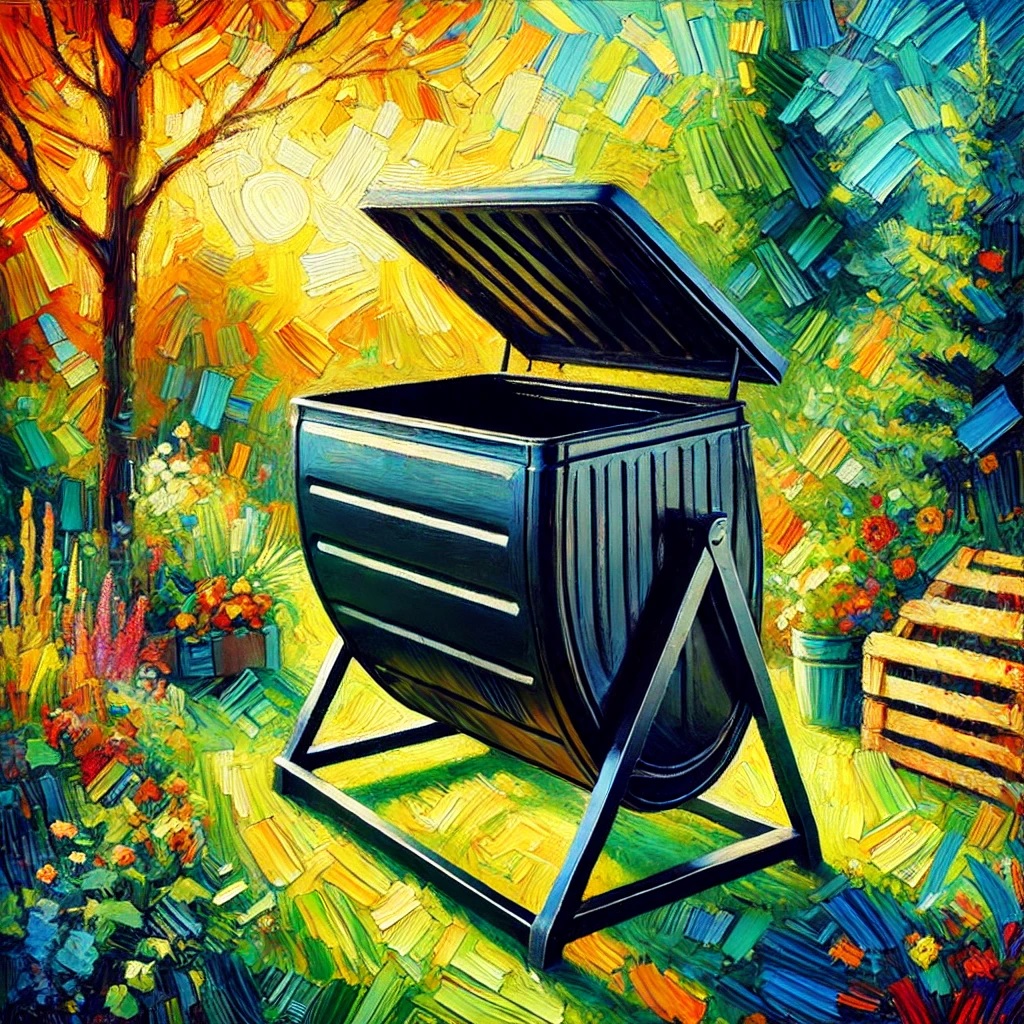
Tumbling composters are an efficient way to turn organic waste into nutrient-rich compost, requiring less manual effort than traditional composting methods. This guide will walk you through the process of using a tumbling composter effectively, from setup to troubleshooting, and offer tips to accelerate your composting process.
What is a Tumbling Composter?

A tumbling composter is a container that allows you to aerate and mix organic waste by rotating it. Unlike stationary compost bins or piles, tumbling composters are designed for easy turning, which helps speed up the composting process. This increased aeration is vital for providing the oxygen needed for microorganisms to break down the organic material into compost.
Benefits of Using a Tumbling Composter
Tumbling composters offer several advantages:
- Faster composting: Regular turning ensures proper aeration, which speeds up the decomposition process.
- Less physical labor: With a built-in turning mechanism, you don’t have to manually stir or turn the compost with a fork or shovel.
- Odor control: Properly aerated compost doesn’t emit foul smells.
- Pest prevention: Enclosed systems reduce the chances of attracting pests such as rodents and insects.
- Space efficiency: Tumbling composters take up less space and are often compact enough to be used in small backyards or patios.
Why Choose a Tumbling Composter over Traditional Methods?
While traditional composting methods can work well, they often require more time, attention, and space. Tumbling composters are ideal for those who want to create compost more quickly, with less manual effort. They offer better control over the balance of moisture, oxygen, and heat, which is essential for efficient composting.
How Tumbling Composters Work

Basic Components of a Tumbling Composter
A typical tumbling composter consists of:
- A rotating drum or barrel where compost materials are placed.
- Aeration holes for airflow to promote decomposition.
- Turning mechanism, such as a handle or crank, to rotate the drum.
- Support frame or base to hold the barrel above the ground.
The Mechanics of Composting: Aeration and Mixing
Composting requires oxygen, moisture, heat, and the right mix of organic materials. Tumbling composters help provide oxygen by allowing you to rotate the drum, which stirs and mixes the materials inside. This helps ensure that all parts of the compost pile receive enough oxygen for aerobic bacteria to thrive, speeding up the breakdown of organic matter.
Time and Effort Required with a Tumbling Composter
Tumbling composters require minimal effort, but they do need regular turning to maximize their efficiency. For the best results, you should rotate the drum about two to three times per week. The entire process of producing finished compost typically takes between two to six months, depending on the type of materials used and environmental factors.
Step-by-Step Guide to Using a Tumbling Composter
Assembling Your Tumbling Composter
Most tumbling composters come in kits and require assembly. Follow the manufacturer’s instructions carefully. Make sure the drum is securely mounted on its base and that the turning mechanism works smoothly. Place the composter in a location that gets plenty of sunlight to speed up decomposition.
Initial Setup: Placing and Positioning the Composter
Choose a level, well-drained spot that receives adequate sunlight. Sunlight helps to heat the compost, accelerating the breakdown of organic matter. Ensure that the composter is easily accessible, so you can turn it regularly and add materials without hassle.
Starting Your First Compost Batch
To start your first compost batch, add a mix of green and brown organic materials:
- Green materials: Grass clippings, fruit and vegetable scraps, coffee grounds, and fresh garden waste.
- Brown materials: Dried leaves, straw, cardboard, and shredded paper.
Aim for a balanced ratio of approximately two-thirds brown materials to one-third green materials. This balance ensures that the compost has the right carbon-to-nitrogen ratio for optimal decomposition.
Adding Organic Material: What to Compost and What to Avoid
You can add a variety of materials to your tumbling composter, but it’s important to know what works well and what should be avoided:
- Compostable materials: Vegetable and fruit scraps, coffee grounds, tea bags, egg shells, grass clippings, leaves, straw, and cardboard.
- Avoid: Meat, dairy products, oils, pet waste, and diseased plants, as these can attract pests or slow the composting process.
Rotating the Composter: How Often Should You Turn It?
Turning the drum is essential to maintain proper aeration. Most experts recommend rotating the composter at least two or three times a week. Frequent turning ensures that oxygen is distributed throughout the compost pile, which is necessary for the microorganisms to do their work efficiently.
Monitoring Moisture and Temperature in the Composter
The ideal moisture level for compost is similar to that of a wrung-out sponge – damp but not soggy. If the compost seems too dry, add water or moist green materials. If it’s too wet, add more dry brown materials, such as cardboard or dry leaves. Keep an eye on the temperature as well – an internal temperature of 120-160°F (49-71°C) is ideal for active decomposition.
Key Tips for Faster Composting

Optimizing the Carbon-to-Nitrogen Ratio
The balance between carbon-rich (brown) and nitrogen-rich (green) materials is key to creating compost efficiently. Too much nitrogen can cause odors and slow the process, while too much carbon can result in a dry, slow-to-decompose pile. A ratio of 2:1 (brown to green) typically works best.
Shredding Materials for Faster Breakdown
Larger pieces of material take longer to break down. To speed up composting, shred or chop larger materials like branches, cardboard, and vegetable scraps before adding them to the composter. This increases the surface area for microbes to work on.
Controlling Moisture for Effective Decomposition
Moisture is crucial for the microorganisms that decompose organic material. Keep your compost pile damp but not waterlogged. If it becomes too wet, you can balance it by adding dry materials such as shredded newspaper or leaves.
How to Use Compost Accelerators or Activators
Compost accelerators are products that introduce beneficial bacteria or enzymes to help speed up the composting process. These can be added to your composter along with your organic materials. They’re not necessary but can be helpful if you want to speed up the decomposition.
Common Problems and Solutions
Troubleshooting Foul Odors
If your compost smells bad, it’s likely due to too much moisture or an imbalance of green and brown materials. To fix this, add more brown materials like dry leaves or shredded cardboard and ensure you are turning the compost regularly.
What to Do If Compost Isn’t Breaking Down
If your compost is slow to decompose, it may be too dry, too cold, or lacking in nitrogen-rich materials. Add water, move the composter to a sunnier location, or introduce more green materials like grass clippings to jumpstart the process.
Addressing Pests and Rodents
Although tumbling composters are generally pest-resistant, improperly sealed units or the wrong materials (like meat or dairy) can attract rodents. Ensure your composter is properly sealed and only compost approved materials to avoid attracting pests.
Harvesting and Using Your Compost

When Is Your Compost Ready?
Compost is ready when it’s dark, crumbly, and has an earthy smell. This can take anywhere from two to six months, depending on the conditions inside the composter and the materials used.
How to Harvest Compost from a Tumbling Composter
To harvest your compost, simply open the hatch or door of the composter and scoop out the finished material. You may need to sift it to remove any large chunks of material that haven’t fully broken down.
Applying Compost in Your Garden
Once harvested, you can use your compost to enrich garden soil, potting mixes, or as a top-dressing for lawns and plants. It’s rich in nutrients and can help improve soil structure, water retention, and plant health.
Maintaining Your Tumbling Composter
Cleaning and Maintaining the Drum
Regular cleaning of your composter will prevent build-up and ensure it functions efficiently. Occasionally empty the drum fully and rinse it out with water. This also prevents odors and helps maintain a healthy composting environment.
Seasonal Care: Winter and Summer Adjustments
In colder climates, the composting process may slow down or stop during winter. To counter this, insulate the composter by wrapping it in a tarp or moving it to a sunnier spot. In summer, monitor the moisture level more closely as compost may dry out faster.
Tumbling Composter vs. Other Composting Methods
Tumbling Composter vs. Stationary Bins
Tumbling composters offer faster decomposition and easier aeration compared to stationary bins, which require manual turning. However, stationary bins may be larger and hold more material, making them better for those with a lot of yard waste.
Tumbling Composter vs. Worm Composting
Worm composting (or vermicomposting) uses worms to break down organic matter. It’s a good option for indoor composting or small spaces but requires specific conditions to maintain. Tumbling composters are better for general outdoor use and handle a wider range of materials.
Frequently Asked Questions (FAQs)
How long does it take to make compost in a tumbling composter?
Depending on the materials and environmental conditions, compost can be ready in two to six months.
How often should I turn the composter?
It’s recommended to turn the composter two to three times a week to keep the materials properly aerated.
Do tumbling composters work in cold climates?
Yes, though the composting process will slow down significantly in winter. Insulating the composter can help maintain activity during colder months.
What should I do if my compost smells bad?
If your compost smells bad, it likely has too much nitrogen or moisture. Add more brown materials and turn the compost more frequently to restore balance.
How do I know when the compost is ready to use?
Compost is ready when it’s dark, crumbly, and has an earthy smell, with no recognizable pieces of original organic material.
Final Thoughts
Using a tumbling composter is a convenient and low-effort way to create nutrient-rich compost for your garden. By following the steps and tips outlined in this guide, you can optimize your composting process, troubleshoot common problems, and enjoy the benefits of homemade compost year-round.
There are plenty of DIY options out there if you prefer to build your own. As long as you’re using a food safe barrel with a dark color, you should be good. Typically, you can find the blue water barrels on FaceBook marketplace or Craigslist. This could be a great family weekend project!







Leave a Reply