
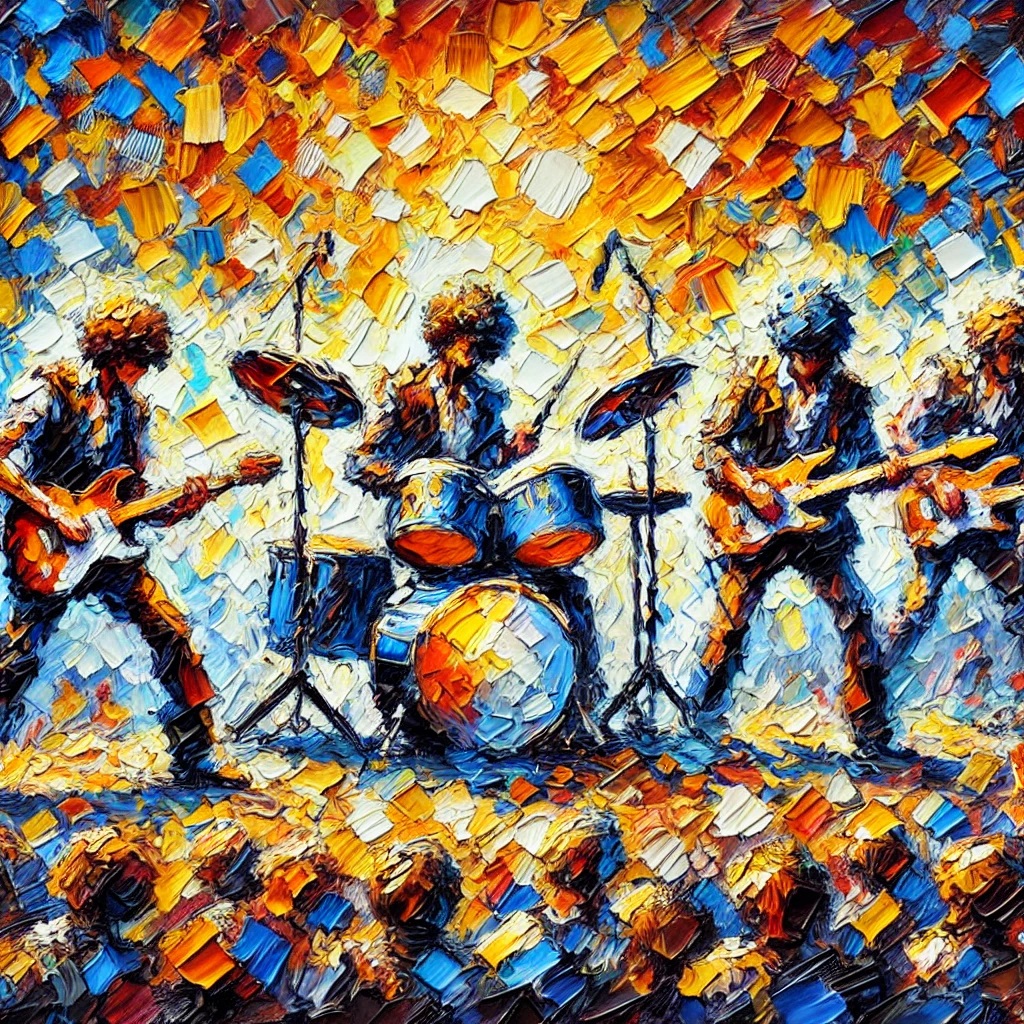
Music is a powerful and enjoyable art form that has found a home in almost everyone’s life in one way or another. Here, I’ll explore the connections we can make from music to sustainability.

The Political Impact of Music
Music, like all major forms of art, does not exist in a vacuum. All art is undeniably a result of the environment in which it is created. Artists both discreetly and openly voice their opinions on the world in their songs, and those views are internalized by the listener. All innovation in music throughout history has come from risk-takers, outsiders, and those who aren’t afraid to push boundaries. What is now traditional was once considered groundbreaking, and what is now groundbreaking may one day be considered traditional. The heavy majority of these outsiders and risk-takers innovating the music world of yesterday and today are on the side of sustainability, and their music is a powerful tool to influence people and governmental bodies alike.

How Much Can a Song Really Do?
The answer to this question involves reframing it: a song in this context is never just a song. Although in today’s society a song can feel like a short-lived event (like a quick Spotify stream or TikTok dance trend), we have to think bigger. Music is performance, and songs are meant to be performed and experienced in a real-life, present setting.
Many bands and artists from varying scenes are using their songs for good, holding benefit shows where all money goes to environmental causes like hurricane relief in Asheville, as well as other places where people need help (Palestine, Africa, or even local friends’ hospital bills). We see this a lot on a small scale within counterculture movements like punk and hardcore, but also on a large scale with extremely popular country, pop, and rock artists.

Music and Protest
If global sustainability is your goal, then you’ve likely accepted that it’s no easy feat. There are powerful people fighting against the entire concept so they can remain rich and powerful. Our own governmental bodies are guilty of this on every level. Knowing this, you’ve likely accepted that protest is necessary to make change. Music is protest.
One of the most famous examples of a wave of protest music goes back to the 1960s, when the nation divided over the Vietnam war. Famously known as the war that both sides lost (sounds like all wars, but I digress), the Vietnam war garnered national backlash for years. Artists like Phil Ochs, Bob Dylan, Pete Seeger, Tom Paxton, The Beatles, Joan Baez, The Rolling Stones, Joni Mitchell, and Johnny Cash sung anti-war ballads that provided the youth with a fresher, less propagandized point of view on their potential forced military service. One of the most famous tunes from this era was Creedence Clearwater Revival’s Fortunate Son.
While war is inherently unsustainable and environmentally taxing, music has also been used through the decades to protest all kinds of unsustainable and unethical activity. Sometimes, just saying something isn’t enough. Music sticks with the listener, moves the listener, and ultimately shows the truth through artistic expression.
For Further Research:
The Twenty Best Vietnam Protest Songs | Council on Foreign Relations
How Can Music Help Us to Address the Climate Crisis? – Helen M. Prior, 2022
The Role of Music in the Transition Towards a Culture of Sustainability





Leave a Reply