
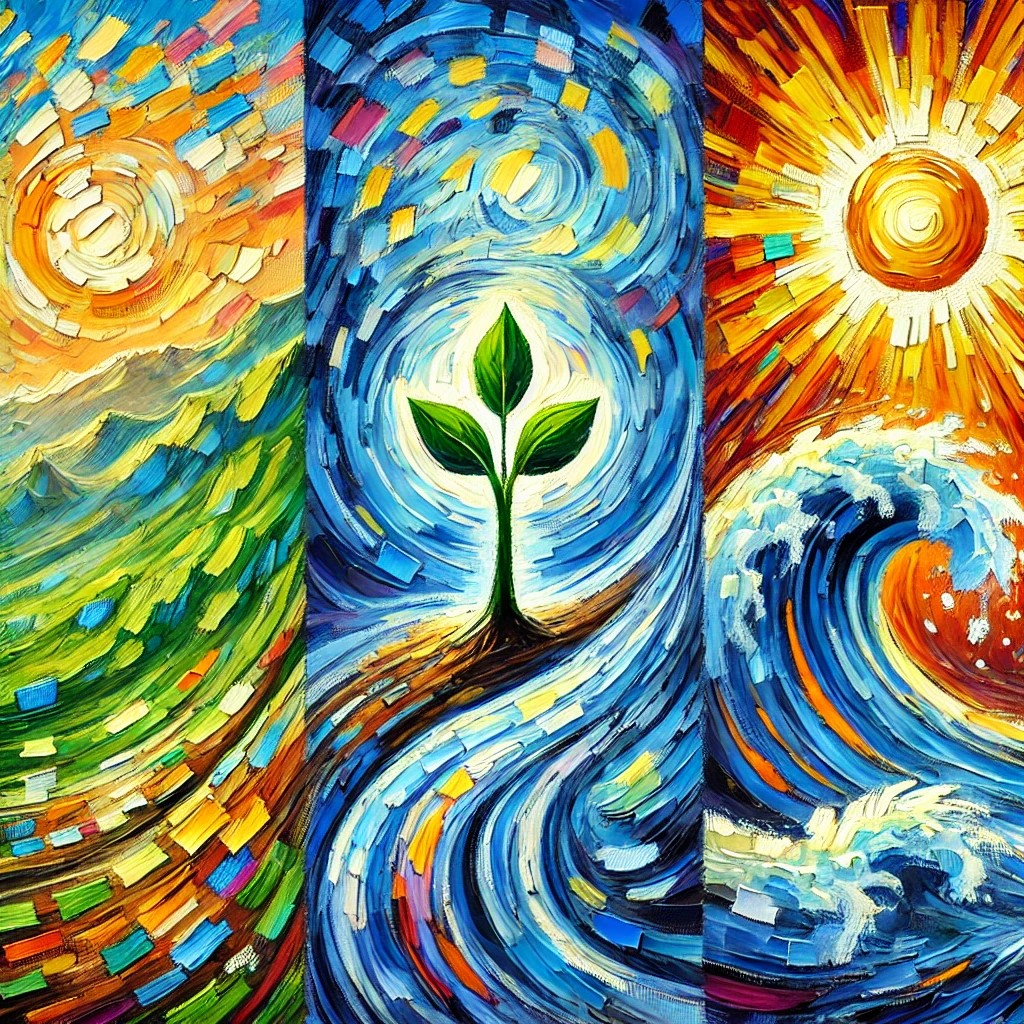
What Does Sustainability Really Mean?
In today’s world, the term sustainability is more than just a buzzword—it’s a necessity. But what does sustainability actually mean? At its core, sustainability is the practice of meeting our present needs without compromising the ability of future generations to meet theirs. It’s about finding a balance between the environment, economy, and society, ensuring that we can maintain these systems…. indefinitely.
“Sustainability is based on a simple principle: Everything that we need for our survival and well-being depends, either directly or indirectly, on our natural environment. To pursue sustainability is to create and maintain the conditions under which humans and nature can exist in productive harmony to support present and future generations.”
–EPA
Sustainability encompasses everything from reducing waste and conserving resources to fostering economic growth and ensuring social equity. It’s not just about protecting the environment; it’s about creating a world where everyone has the opportunity to thrive, now and in the future.
Four Pillars of Sustainability
As the name suggests, the pillars of sustainability are critical areas that must be brought into balance to achieve sustainability.
Environmental

Protection for natural resources and ecosystems. Renewable energy, sustainable agriculture, waste reductions, water conservation.
Economic

Support for long-term economic growth without negatively impacting other pillars.
Social

Social equity, justice and the well-being of communities. Ensuring basic rights, resources, and opportunities for an inclusive society.
Cultural

The preservation and promotion of cultural heritage and traditions.
Getting Started on Your Sustainability Journey
Embarking on a path to sustainability can feel overwhelming, but it’s important to remember that every small step counts. Here’s how you can begin your journey:
Step 1: Evaluate Your Lifestyle
Look at the details of your daily life under a microscope. As you start to live more sustainably, you can compare future data against what you collect now to see how far you have come. Have fun with this. If you love spreadsheets and data, this exercise will be good for you. If you don’t like numbers, write down some descriptions of your current lifestyle details instead.
10 Lifestyle Metrics You Can Use
- Energy Consumption
- Water Usage
- Waste Production
- Transportation Habits
- Food Consumption
- Purchasing Habits
- Plastic Use
- Carbon Footprint
- Water Footprint
- Home and Garden Practices
Step 2: Set Achievable Goals – They All Make a Difference!
Use the techniques that you know work for you to achieve goals. Take pride in your efforts and any movement in the right direction. If you aim for zero-waste and you reduce your waste by 20% – well done! Here are 10 examples of simple goals:
10 Simple Sustainability Goals
- Reduce Energy Consumption by 20%
- Cut Down on Single-Use Plastics
- Start Composting Organic Waste
- Switch to a Plant-Based Diet Once a Week
- Use Public Transportation, Bike, or Walk for Commutes
- Install Energy-Efficient Appliances
- Conserve Water by Fixing Leaks and Installing Low-Flow Fixtures
- Purchase Eco-Friendly and Locally Sourced Products
- Reduce Overall Waste by 50%
- Participate in or Support Local Conservation Efforts
Step 3: Make Sustainable Choices
Now that you have data and a gameplan, it is time to act. You will literally and figuratively begin planting seeds for OUR sustainable future. Simple choices such as bringing your own reusable bags to the grocery store and cutting down on single use plastics can go a long way. Where can you buy local, organic produce? As you build momentum, you can look at bigger decisions like switching to solar and biking to work.
10 Simple Sustainability Choices
- Use Reusable Bags, Bottles, and Containers
- Opt for Energy-Efficient Lighting (LED Bulbs)
- Bike, Walk, or use Public Transportation
- Buy Local and Seasonal Produce
- Switch to a Renewable Energy Provider
- Support Companies with Ethical and Sustainable Practices
- Reduce Meat and Dairy Consumption
- Install a Smart Thermostat to Manage Energy Use
- Conserve Water by Shortening Shower Time
- Recycle Properly and Avoid Contaminating Recycling Bins
How Technology can Help
“Technology, when rooted in harmony with nature, becomes the bridge that guides humanity toward balance, illuminating the path to a sustainable future where progress and the planet thrive together.”
There is a broad spectrum of technology that can help you along this journey. Our blog is a voice for such things. ~Subscribe to stay up to date on new and existing technology that will support your efforts.
Apps: Pocket Guides, Trackers, and More


Further Reading
In the spirit of sustainability, take a look at these digital books available from Amazon. I recommend you check out Libby first to see if you can rent these books for free before purchasing. If they are not available for borrowing, any purchase you make through the links below will help support our blog. Thank you!!
An accessible and comprehensive overview of the interdisciplinary field of sustainability.


Approaching sustainability from a historical perspective and revealing the conditions that gave it shape.

Praise for NONPROFIT SUSTAINABILITY
“This is much more than a financial how-to book. It’s a nonprofit’s guide to empowerment. It demystifies mission impact and financial viability using The Matrix Map to provide strategic options for any organization. A must-read for every nonprofit CEO, CFO, and board member.”
—Julia A. McClendon, chief executive officer, YWCA Elgin, Illinois

A scientific understanding of the environment while helping people practice decision-making.

Sustainability is about more than just preserving the environment; it’s about creating a future where all can thrive. By understanding what sustainability truly means and taking actionable steps, you can contribute to a more sustainable world. Remember, the journey towards sustainability is ongoing, and every effort, no matter how small, makes a difference. Start today and reconnect with the world around you.
Green Villager wishes you luck and success for all our sakes as you embark on this quest. Please reach out if you have any comments, questions, suggestions, or concerns. WE would love to hear from you and thank you for reading.







Leave a Reply