
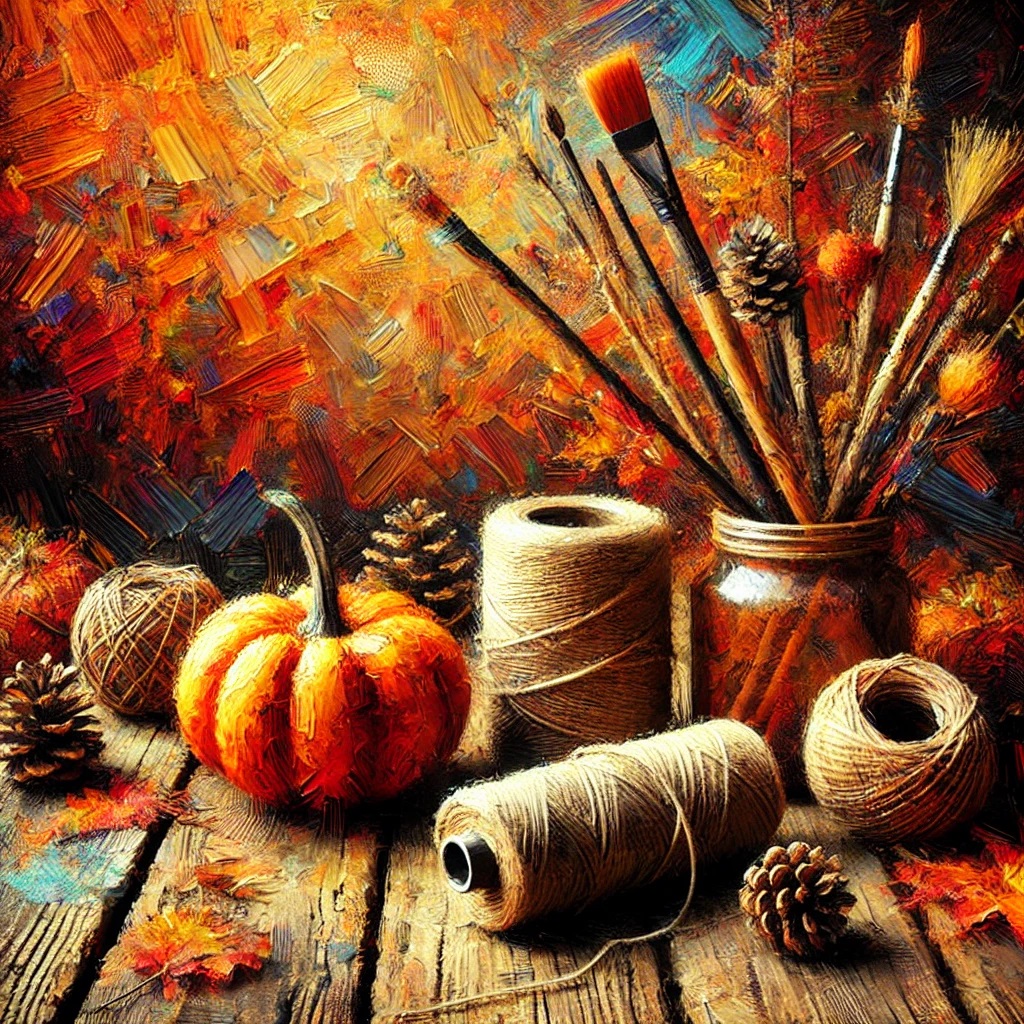
As the leaves change color and the air turns crisp, many of us are eager to fill our homes with warm and inviting fall decorations. However, the excitement of decorating can come with a hidden cost—environmental damage. Many commercially sold decorations are often made from non-recyclable materials, heavily packaged in plastic, and shipped from far-off locations, contributing to carbon emissions and waste. By opting for sustainable and eco-friendly DIY fall crafts, you can embrace the beauty of the season while minimizing your environmental impact.
In this blog post, we’ll explore some creative and sustainable fall DIY craft ideas, while discussing the environmental downsides of store-bought decorations and how you can make greener choices this season.
Related: Sustainability in Three Easy Steps
Why Store-Bought Fall Decorations Can Be Harmful to the Environment
1. Non-Recyclable Materials and Waste
One of the biggest environmental issues with store-bought decorations is the use of non-recyclable materials such as plastic, Styrofoam, and synthetic fabrics. These materials are cheap to produce, which is why they dominate the shelves during fall. However, they are not biodegradable, meaning they can take hundreds or even thousands of years to break down. When we eventually discard them, they often end up in landfills or oceans, contributing to pollution and harming wildlife.
2. Excessive Packaging
Most commercially produced fall decorations come with excessive packaging, especially plastic wrapping that adds to global waste. Single-use plastics, often used in packaging, contribute significantly to land and ocean pollution. In the U.S. alone, around 40 million tons of plastic waste is generated each year, much of which comes from packaging. When you opt for DIY crafts, you reduce the amount of packaging involved, since you often use existing materials or minimally packaged supplies.
3. Transportation and Carbon Footprint
Many fall decorations are mass-produced overseas, meaning they travel thousands of miles before landing on store shelves. This long supply chain increases the product’s carbon footprint, adding unnecessary greenhouse gas emissions to the atmosphere. By crafting your own decorations from locally sourced or repurposed materials, you eliminate the need for long-distance shipping and significantly reduce your carbon footprint.
4. Short Lifespan and Trend Cycles
Store-bought decorations are often designed to follow trends, meaning they are replaced with new designs each year. As a result, consumers are encouraged to buy new decorations annually, even if the ones they own are still functional. This “buy and toss” mentality leads to more waste, while also perpetuating a cycle of overconsumption. DIY decorations, on the other hand, tend to be more timeless and personal, making them items you cherish year after year.
The Little-Known History of Fall Decorations

Fall decorations, particularly in the U.S., have roots in ancient harvest celebrations and agrarian societies. One key influence is the Celtic festival of Samhain, which marked the end of the harvest and the beginning of winter. Celebrated in what is now Ireland, the U.K., and northern France, this festival used natural elements like gourds, apples, and leaves to honor the harvest and ward off evil spirits. Over time, these symbols became incorporated into Halloween and fall decor traditions.
Additionally, cornucopias, or “horns of plenty,” are another fall symbol that traces back to ancient Greece! Originally, cornucopias were made from goat horns and filled with the bounties of the harvest as offerings to the gods, symbolizing abundance and nourishment. This motif spread through Europe and eventually into American Thanksgiving celebrations.

The use of pumpkins, specifically for jack-o’-lanterns, originated in Ireland. Before pumpkins, the Irish carved turnips during Samhain, a practice that shifted to pumpkins in America, where they were more plentiful and easier to carve.
Sustainable Fall DIY Craft Ideas
Creating your own fall decorations doesn’t just help the environment—it can also be a rewarding way to bring a personal touch to your home. Below are some eco-friendly fall DIY craft ideas that are perfect for celebrating the season sustainably.
1. Leaf Garland from Recycled Paper

Instead of buying synthetic garlands, you can make a beautiful and eco-friendly garland using recycled paper. Here’s how you can do it:
Materials:
- Old newspapers, magazines, or brown paper bags
- Scissors
- Twine or cotton string
- Non-toxic glue
- Hole puncher (optional)
Instructions:
- Gather old newspapers or paper bags. Cut out leaf shapes using scissors.
- Decorate the leaves by drawing veins or painting them in fall colors using water-based paints.
- Punch holes at the top of each leaf and thread them onto a piece of twine or string.
- Once finished, hang the garland on your fireplace, mantle, or wall.
This craft allows you to recycle paper waste while creating something festive and unique for your home.
2. Natural Pinecone Centerpieces

Pinecones are abundant during the fall and make for perfect natural decor. Instead of purchasing plastic pinecones or faux centerpieces, you can create your own centerpiece using pinecones and other elements you find outdoors.
Materials:
- Pinecones
- Acorns
- Twigs
- Dried leaves or flowers
- A reusable tray or basket
Instructions:
- Collect pinecones, twigs, and acorns from your yard or local park.
- Arrange them in a basket or tray, along with dried leaves and flowers for added color.
- For an extra touch, you can add a few small candles (preferably beeswax or soy-based) to the display for warmth and ambiance.
This centerpiece is not only beautiful but 100% compostable, making it the perfect zero-waste option.
3. Upcycled Mason Jar Lanterns


Instead of purchasing new lanterns or candles, upcycle old mason jars into fall-themed lanterns. This is a fantastic way to reuse materials and add a cozy touch to your space.
Materials:
- Old mason jars
- Twine or ribbon
- Fall leaves (real or cut out from recycled paper)
- Non-toxic glue
- A small tea light or LED candle
Instructions:
- Clean out any old mason jars.
- Gather fall leaves or cut them out from recycled paper.
- Glue the leaves onto the outside of the mason jar to create a pattern.
- Tie a piece of twine or ribbon around the top for added decoration.
- Place a tea light or LED candle inside the jar to illuminate the space with a warm glow.
These mason jar lanterns are perfect for both indoor and outdoor decor and can be reused year after year.
4. Repurposed Fabric Pumpkins

Instead of purchasing plastic pumpkins or foam decor, create your own soft pumpkins by repurposing old fabrics. This is an excellent way to give new life to old clothes or leftover fabric scraps.
Materials:
- Old shirts, sweaters, or fabric scraps
- Scissors
- Needle and thread
- Cotton or other fabric stuffing
- Cloth, twigs, or cinnamon sticks for the pumpkin stems
Instructions:
- Cut your fabric into circles. The size of the circle will determine the size of your pumpkin.
- Sew around the edges of the fabric, leaving a small opening to add stuffing.
- Fill the pumpkin with cotton or fabric scraps to give it shape.
- To make the pumpkin “grooves”, use an arm’s length piece of thread with a knot at the end. Run the needle through the bottom of the pumpkin, loop around the outside, and back through the top. Do this around the pumpkin as many times as you’d like to form the pumpkin shape.
- Sew the top closed and insert a twig or cinnamon stick as the stem.
- Optional: Add fabric leaves or ribbons for decoration.
These fabric pumpkins are soft, reusable, and can be displayed year after year without contributing to plastic waste.
5. Dried Orange Garland

Dried oranges make for a stunning and eco-friendly garland that not only looks beautiful but smells wonderful, too. This craft is perfect for adding a natural touch to your fall decor.
Materials:
- Oranges
- Twine or cotton string
- Baking tray and parchment paper
Instructions:
- Slice the oranges thinly and place them on a baking tray lined with parchment paper.
- Bake them at a low temperature (around 200°F) for 2-3 hours, turning them occasionally until they are fully dried.
- Once dried, thread the slices onto a piece of twine or string.
- Hang the garland in your home to add a burst of color and a lovely natural scent.
This craft is biodegradable and compostable, making it a great eco-friendly option.
Benefits of Eco-Friendly DIY Fall Crafts
1. Reducing Waste
By using natural and repurposed materials for your DIY crafts, you’re reducing the amount of waste sent to landfills. Every small effort counts when it comes to reducing our environmental footprint, and DIY crafting allows you to reuse what you already have.
2. Cost-Effective
DIY decorations are often more affordable than buying new items, especially since many materials can be found in nature or repurposed from items around the house. This allows you to decorate your home beautifully without breaking the bank.
3. Personal and Meaningful
Creating your own decorations brings a personal touch to your home. Unlike store-bought decorations, which are mass-produced and often lack character, DIY crafts carry sentimental value. Whether you’re crafting with friends, family, or on your own, these projects become cherished memories.
4. Supporting Local and Sustainable Practices
When you do need to purchase materials for your DIY projects, try to source them locally or opt for eco-friendly options. This supports local artisans and businesses while minimizing transportation emissions.
FAQs
Why should I avoid store-bought decorations?
Store-bought decorations often contain non-recyclable materials and are packaged in excessive plastic. They also have a high carbon footprint due to transportation and production, contributing to environmental pollution.
What materials are best for eco-friendly fall crafts?
The best materials for eco-friendly fall crafts include natural items like pinecones, leaves, twigs, and upcycled materials like fabric scraps or old newspapers. These are biodegradable and reduce waste.
Are DIY decorations more cost-effective?
Yes, DIY decorations can be much more affordable since you can use materials you already have at home or gather from nature. You can also repurpose items that would otherwise be thrown away.
How can I make my DIY crafts last longer?
To make your DIY crafts last longer, use durable materials like fabric or wood, and store them properly after the season ends. Some natural items, like dried oranges or leaves, can be composted afterward.
Can I involve my children in sustainable fall crafts?
Absolutely! Many eco-friendly DIY crafts are simple and fun, making them perfect for involving children. It’s a great way to teach them about sustainability while creating something special together.




Leave a Reply